The game-winning goal. The standing ovation as the name of the award winner is announced. The cutting of the giant ribbon on a grand opening. These are the moments we see as success. The player who scores the game-winning goal is lifted up, but what about the defender who forced the turnover minutes earlier, before the play developed? Most people only see the goal scorer. The highlight reels. Recently, I’ve played the roles that are less noticeable, in the shadows, but cannot be missed.
When I asked for a leadership book early in my first career, I didn’t expect Ender’s Game by Orson Scott Card. This science fiction novel follows Ender Wiggin’s training at a military space school to become a commander and lead Earth’s defense against an alien race. When I finished it, his following recommendation was Ender’s Shadow. It’s the same story, but from a different perspective. Ender’s Game gives us the perspective of the hero, while Ender’s Shadow provides us with the perspective of Bean, the strategist behind the hero.
Being Ender: The Weight of Visibility
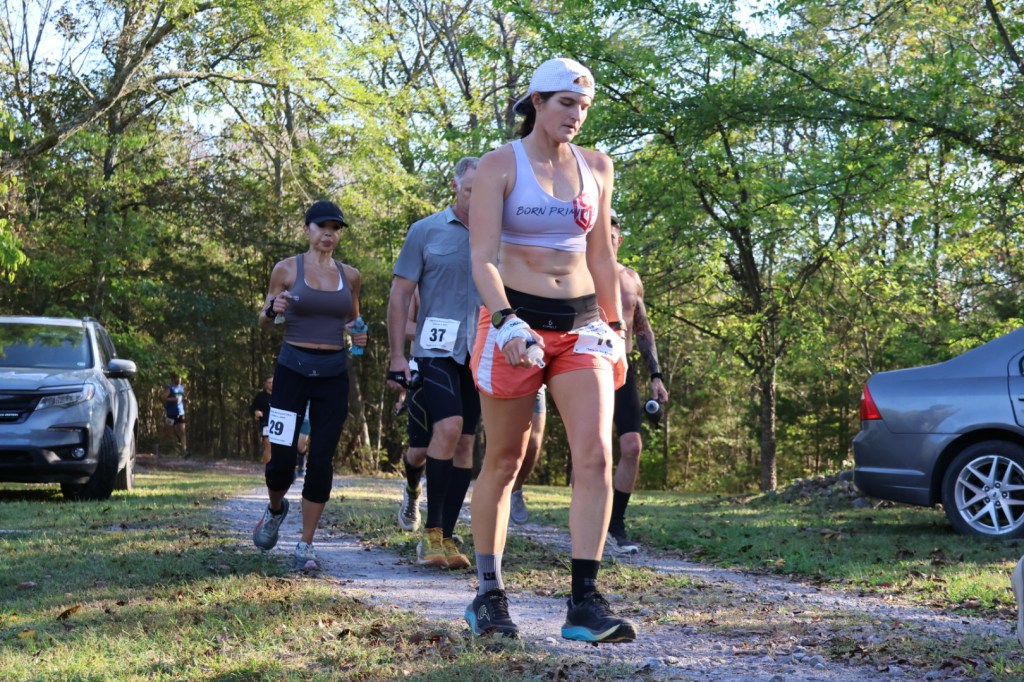
There’s an electric feeling when you run a race and cross the finish line. Win, lose, or in between, there is always a sense of accomplishment. Little Dog’s Backyard Ultra was a more recent moment of success.
I was in the top 6 overall and the last female standing, with a female course record of 25 laps completed (1 loop = ~4.167mi every hour on the hour). After this race, people I didn’t know or had only met just in passing reached out to say I was inspirational to watch. I went into a race 4 weeks later with a new target on my back; people knew my name.
I didn’t think I minded being watched until I was. Going out on my 26th loop, I ran past the timing tent before heading into the woods and heard “that’s a DNF.” I instantly assumed this was about me. Looking back, this could have been about anything, but I assumed it was about me, because I was being noticed. As I ran past the race director and into the woods, I could have felt fire, but instead, self-doubt crept in and consumed my thoughts.
Suddenly, I was back at SD100, where my legs wouldn’t spin. I knew exactly what I needed to do to make the time, but my body didn’t follow directions. In this moment, I realized the pressure I created for myself simply by being visible.
This finish felt both like a success and a failure. I had run further than I ever had, but I knew I had more in me. But my mind started to play games, and I created pressure, again, that did not exist.
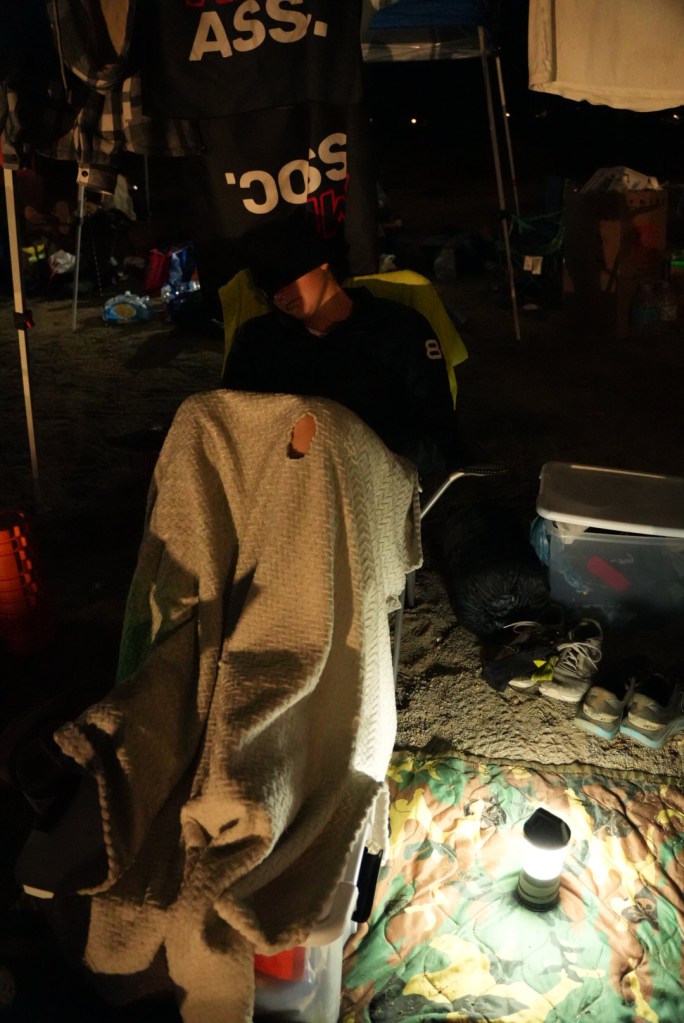
Similarly, the month later, at Roosters Backyard Ultra, I mentally quit early in my maybe 18-19th loop. Generally, I didn’t feel too bad about stopping for myself. What was cool about this race was that I had a crew behind me, pushing me and setting me up to be successful, but at the end of the day, I didn’t have it in me. A team can only push you so far.
But I haven’t always been in front lately.
Being Bean: Serving the Mission
I had the privilege of being on the support crew with Omni Athlete Training for Mike Egan’s breaking of a Guinness World Record. Mike completed 152 miles in a wheelchair in 24 hours. It was absolutely incredible.
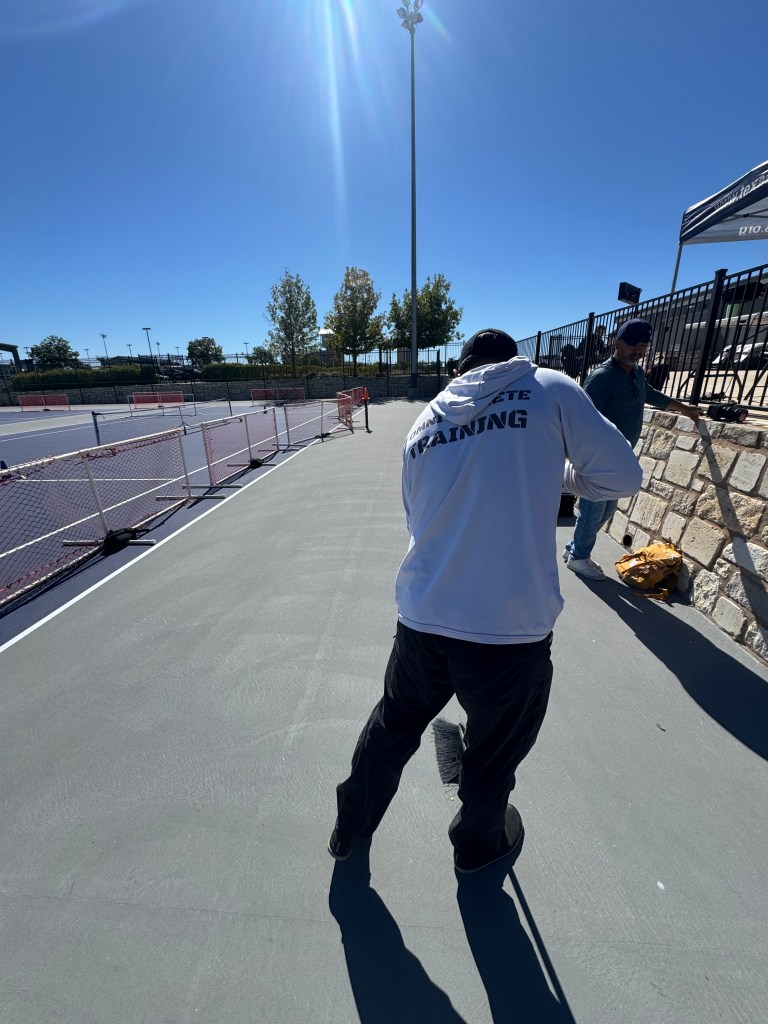
My role was in the background. In the days leading up to the push, I spent hours putting together spreadsheets and trackers to determine pacing strategies, guide rest times, and track everything throughout the effort.
The morning of the effort, lead bossman George and I reviewed pacing strategies, organized the equipment, and set up the course for the day, moving barriers, picking up trash, and adjusting corners to make sure nothing would get in the way.
When Mike was out working, we drank too much coffee while reviewing the last push and determined the next move: when to bring him in, what food to prep, and how much fluid he needed. Time quickly disappeared, and I was again prepping food and drinks, going through our checklist, and making sure everything was in place and ready to go.
The chess game continued.
Mike loved the Nutella sandwiches, but the bread was getting harder to take down. We mixed Nutella with Greek yogurt.
The lights were on a timer and went out. We got Brooke on the phone to turn them on.
He wasn’t drinking enough fluids. We added more broth to the ramen.
Mike’s finger was in pain. George practiced a few taping methods on my hand so it wouldn’t disrupt his pushing, and he wouldn’t lose time sitting there waiting.
The wheels on his chair were loose. Brett checked to make sure they were locked into place.
He needed to push faster. Pacers Andrea and Tommy switched to shorter intervals to keep up and keep him moving.
Need the headphones charged? Done.
Shirt is wet? Here’s the next one.
Hands are hurting? We’re feeding you.
Zyn? Check.
While these may seem insignificant, they can make or break an effort. These are the things that no one saw. That’s what working in the shadows really looks like.
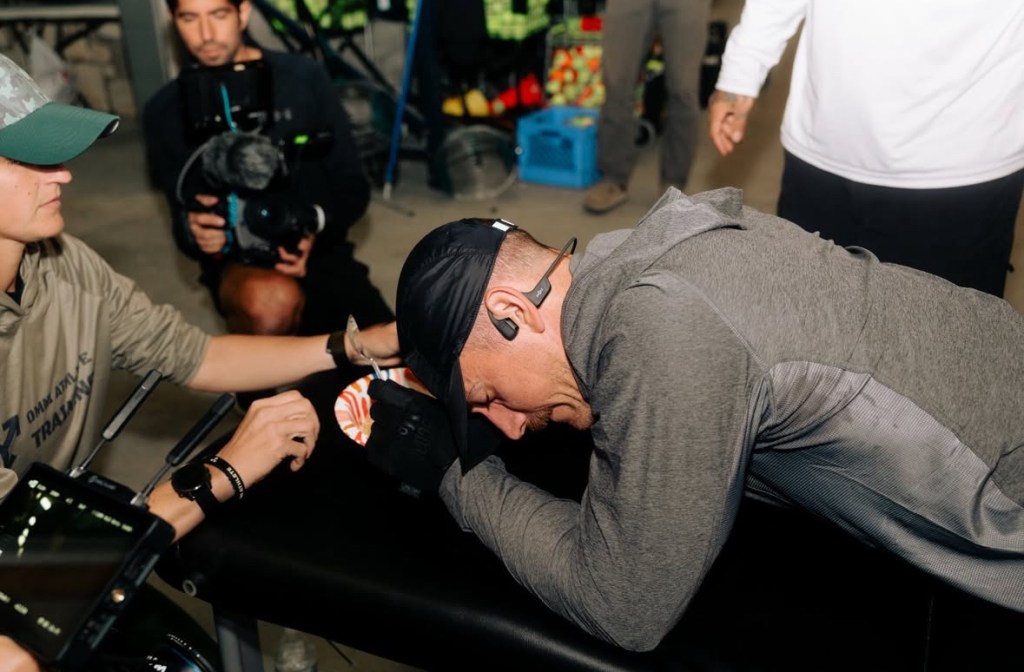
As we neared the 24-hour mark, I continued to engage with spectators and film crews, but I was distracted, constantly checking my watch to track the time for each loop. I was fully invested in Mike achieving his goal, not just to break the world record, but smash it by pushing over 150 miles. Stepping back gave me a new perspective. I felt total investment in Mike’s goals. There was nothing about this effort that was for me. I was there to serve Mike, support George, and keep the pacing crew moving. I wouldn’t have wanted it any other way.
After the clock was well past the 24 hours and the crowds still were chattering in the background, I laid down on a massage table in the garage and passed out for five minutes. I wasn’t the one who put in the 150 miles, but I had invested every bit of energy I had into it.
I realize that when I’ve been in Mike’s position, I’ve worried so much about what my team expects instead of trusting how invested they are. If I could learn to let go of the control and have as much faith in my own abilities as I have in others, my ceiling would rise.
A third POV, Graff: Trust Over Control
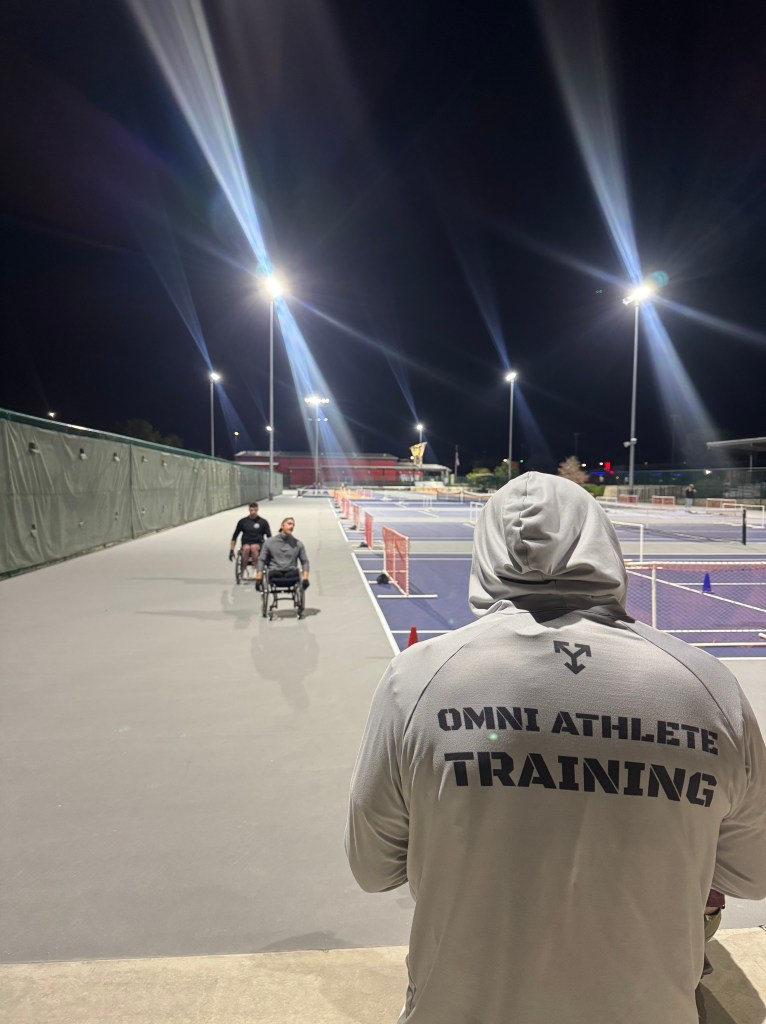
While we don’t fully receive Graff’s perspective, his role is clear: a “Coach.” Becoming a Coach isn’t a promotion, but an evolution. During Mike’s push, George embodied this role, not just in the months leading up to the attempt, but also coached Mike through the entire 24 hours and played a supportive role. It wasn’t about control, but about trust.
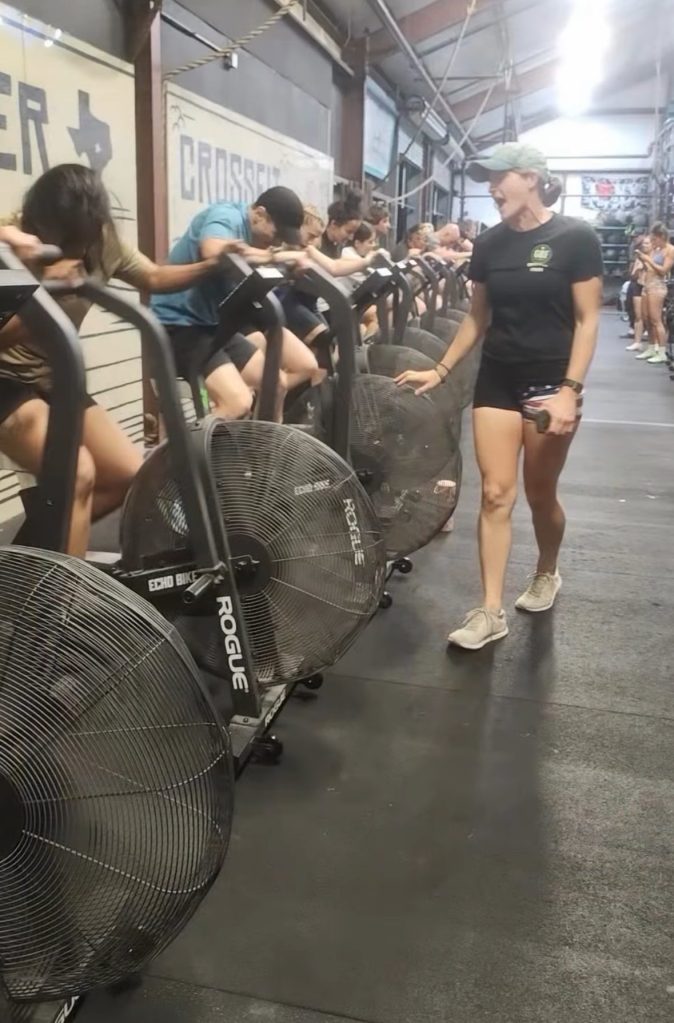
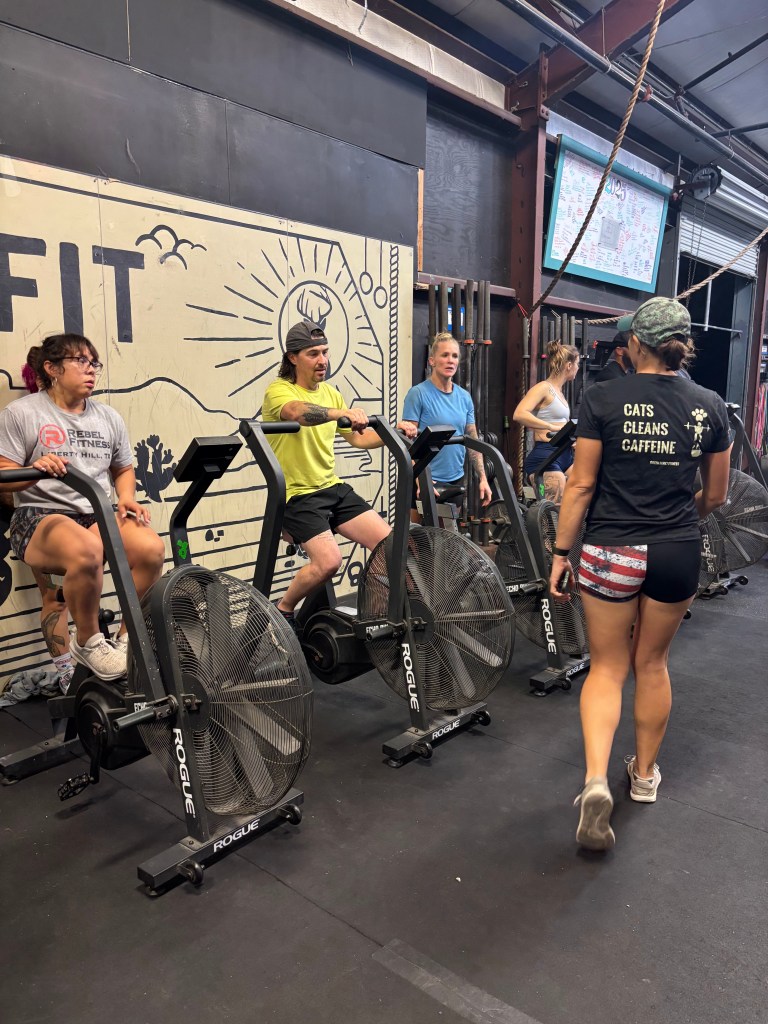
A few days earlier, I was at Leadner CrossFit, where I programmed and coached a 24-hour endurance event with Green Beret Fitness, called ENDURE. Participants completed one workout every hour on the hour for 24 hours. Thirty athletes looked to me every hour, eager, tired, and not always ready to work for the next workout.
During those 24 hours, everyone needs a coach at some point. Someone to push them just past their comfort zone. Someone to believe in them when they can’t. Someone to remind them how far they’ve come. I’ve seen more people accomplish things during these hours than they ever thought possible.
All I asked for was at least one more calorie on the Echo bike than they had done an hour earlier, after they had given an all-out effort. I could feel daggers pierce through me, and chuckles that thought I was joking. Their minds said no. Their bodies hurriedly agreed with aches and pains. But, after all was said and done, over half pushed beyond their perceived limits. Some needed loud confidence, and others, a quiet nudge over their shoulder. I can’t do the work for them, but I can guide them.
This is how I feel with my athletes. Every win, no matter the scale, is a win. I had one athlete show up and say, “I picked up my god baby, and she felt so much lighter!” It is a true honor to play a small part in these wins.
Every Role Counts: Ebbing and Flowing Between Roles
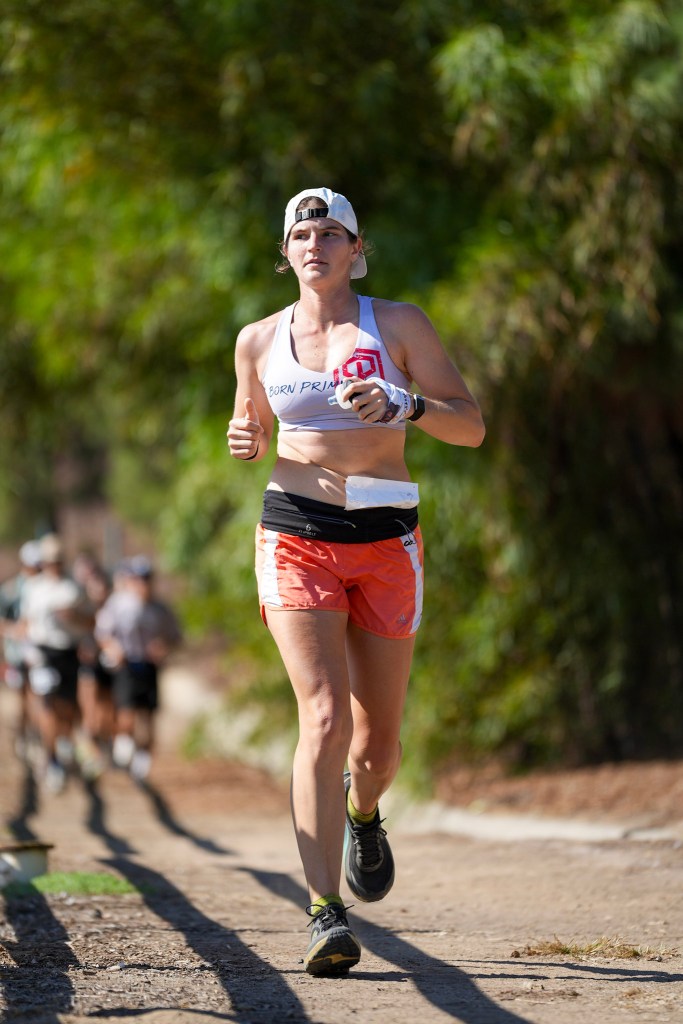

Every role continues to shape my growth. Not one role is necessarily easier than another. Stepping into the shadows helped me take a new perspective on myself when I am the driver and not the pit crew. It’s okay to be in the spotlight because if you pick the right team, they’re there to support you with no strings attached.
If they’re truly invested in your goals, you won’t let them down. My college coach would say she would set us up for success, and then it was on us. Coaches and teams feel your wins and losses, but at the end of the day, they’re going to be happy for you and what you’ve accomplished, regardless of the outcome.
When you’re Ender, notice your shadows and trust them.
When you’re Bean, confidently step up when you know something needs to be done.
And when you’re Graff, do everything you can to set your athlete up for success, and let them ride.

 Ruck with Sam - Home
Leave a comment