2024.06.22 0600
Overview
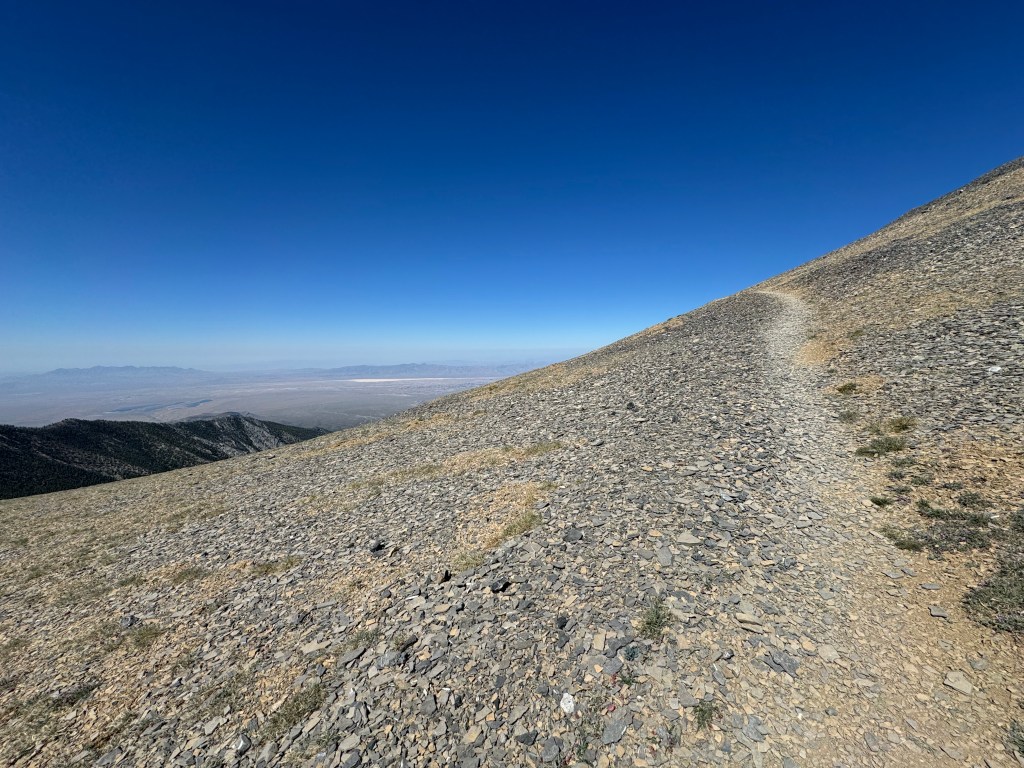
Operation VEGAS is meant to be an 18-ish mile looped course starting around 7600ft and reaching the Mt. Charleston summit standing at 11,800ft. Due to the North side of the trails being closed, this course turned into an out-and-back up the South Trail plus an out-and-back to Griffith Peak (dealer’s choice on whether you do it on the way up or down). The race route covered ~18 miles and 6000ft of ascent while carrying a 20# dry ruck.
Training and Preparation
Strength, cardio, hybrid, hill repeats, rucking, trail running, hot yoga, mobility, stretching, and more. There is no single way to train for mountain rucking races, but I have been most successful with a mix of everything and personalized programming by Omni Athlete Training.
If you’re looking for someone to take you to the next level, find a coach who cares, adapts to your needs, and pushes you to improve daily.
Travel
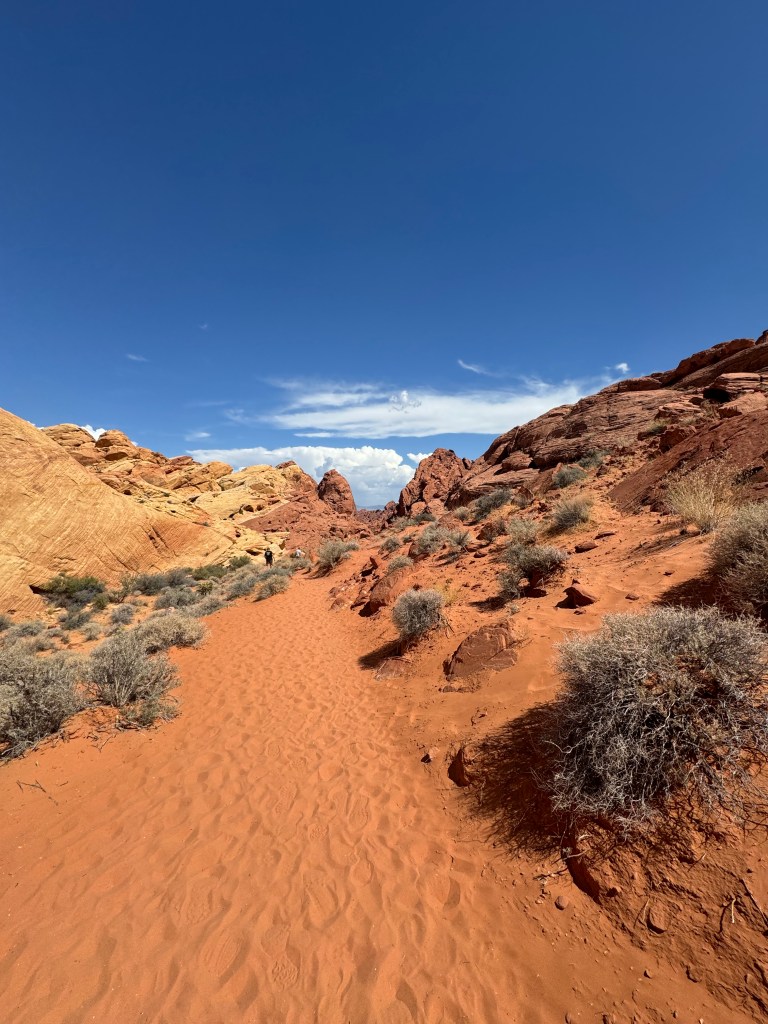
Travel is easy for Vegas. It’s a quick 45-minute flight into and out of Vegas. As noted previously a benefit of flying Southwest is that bags fly free. I met up with Clint at LAS, we did a grocery shop, and then drove out to and got rooms that were a quick 15-minute drive to the start point.
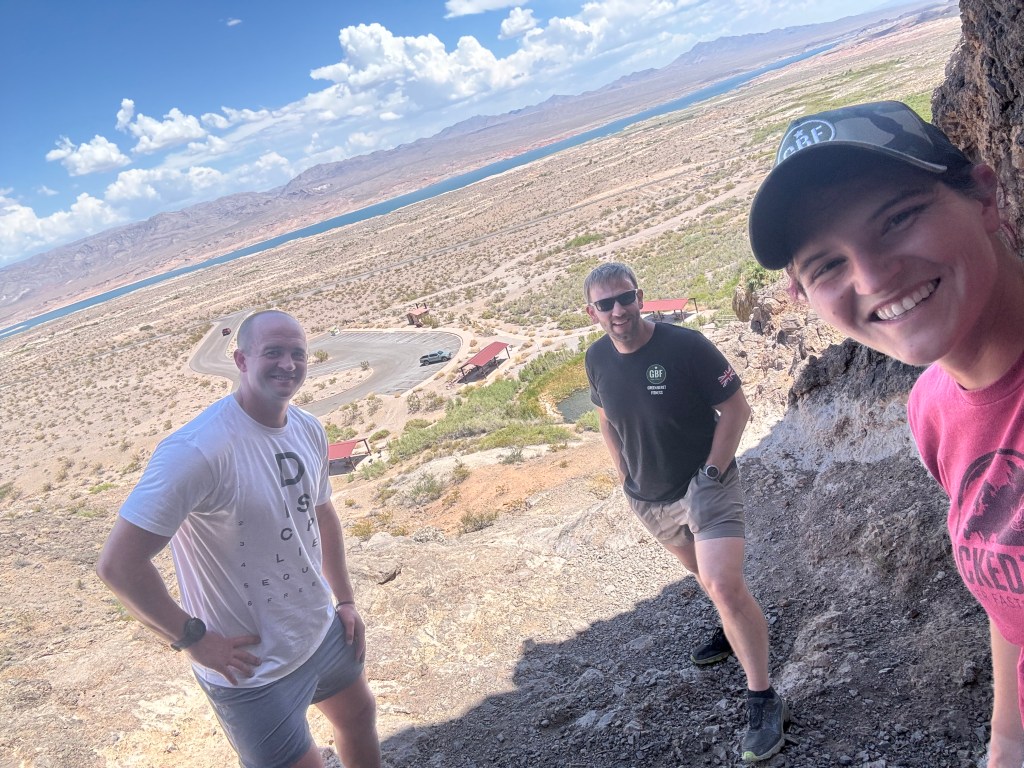
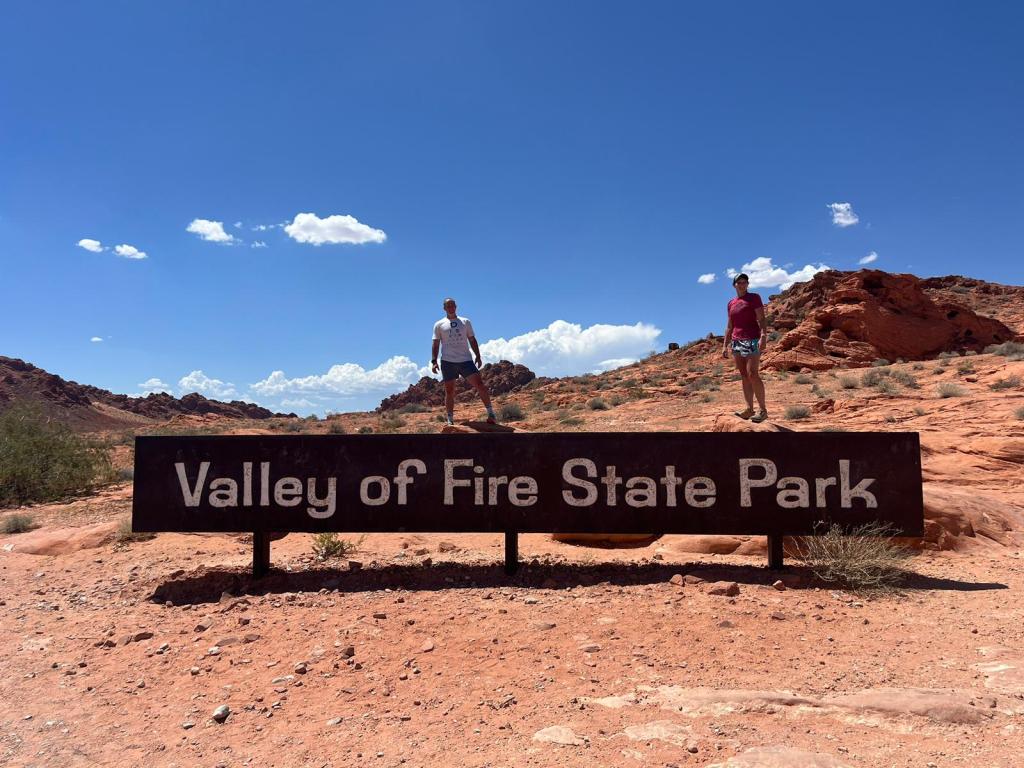
If you have an extra day, I recommend checking out the Hoover Dam and the Valley of Fire State Park.
Gear
Starting Outfit
- Kill Crew Shorts
- Amp Association Pride T-shirt
- RNNR Running Hat
- Woxer 5” Boxers
- Born Primitive Sports Bra
- Ininji Toe Socks + MudGear Socks
- Altra Lone Peaks 7
- Garmin loaded with AllTrails maps for navigation + Whoop
Pack: Kifaru Antero
The Antero is a change from the Shape Charge. I had to send in my Shape Charge for a shoulder strap repair and wanted to try another pack. I enjoyed using this one. The straps are very comfy. Check out Kifaru packs here.
Packed
- Emergency shelter, Emergency 1L Nalgene filled, light green dry bag: extra medical items, duct tape, shoe laces, etc
- Lifestraw, utility knife, battery pack, chem light, wallet, spare batteries, eye drops, chapstick, spare mouthpiece, battery packs, medical kit
- Garmin InReach & Whistle in accessible areas
- Blue dry bag: t-shirt, sports bra, boxers, socks
- 2L water bladder + 1.5L bladder w/LMNT
- Inside pouch: compass, sharpie
- Outside pouch: most of nutrition
Nutrition
Pre-Race
After arriving in Vegas, I ate a good lunch and dinner. I was fueled but not overstuffed. I love a little dessert after dinner. This time I opted for the cookies. They were underwhelming. On race morning, I ate a croissant or two and some electrolyte drink.
Race
- 2.5L water in bladder
- 1.5L LMNT in bladder
- Packed GU gels, Clif Blok, candy bars, fruit snacks, extra LMNT, and general race snack items
Goals and Strategy
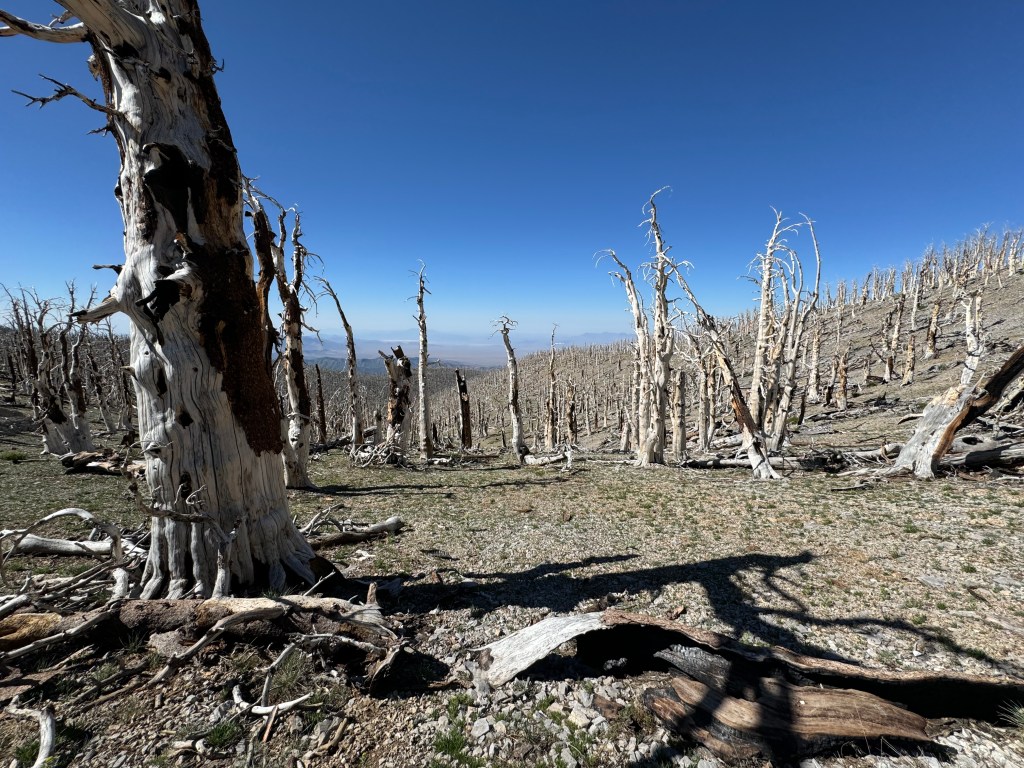
I knew I was aiming to finish within the dog tag time, now reduced from 8 to 7 hours due to a “shorter and easier” route. From my perspective, the route was more or less the same distance and elevation gain, but now we had one less hour.
It’s hard to know if it was any easier, but my Garmin didn’t magically add extra distance to make it still come out to 18 miles. I did not go off-route at all.
Based on the course, I knew that the summit to Charleston was going to be a challenge. I haven’t had a ton of experience at higher altitudes. When I am at altitude, walking upstairs puts me out. I planned to move consistently during the ascent, hit Griffith Peak on my way down, and then push the last few downhill miles.
It was also blistering hot that weekend. The temperature ranged from the low 80s and up into the 100s. Vegas is also dry; a life straw doesn’t help when there are zero water sources. Because of this, I knew I needed to carry more liquid than usual. On hot training days, I have been going through 2L of water and 1L of LMNT mix over 18-21 rucking miles. Rather than risking running out on a hot, dry mountain, I carried approximately 1L more than I usually do.
My strategy was to move methodically through the steep 4-mile climb, cover ground faster when it was runnable, power through Griffith Peak, and then race down the mountain.
The Race
I woke up. My contacts went in smoothly, my shoes tied comfortably, my ruck weighed 20 pounds, and I slept well. We went through the race brief. I then went to the bathroom, packed up my water and food, and did a few leg activations. Everything was going smoothly. I was ready to go.
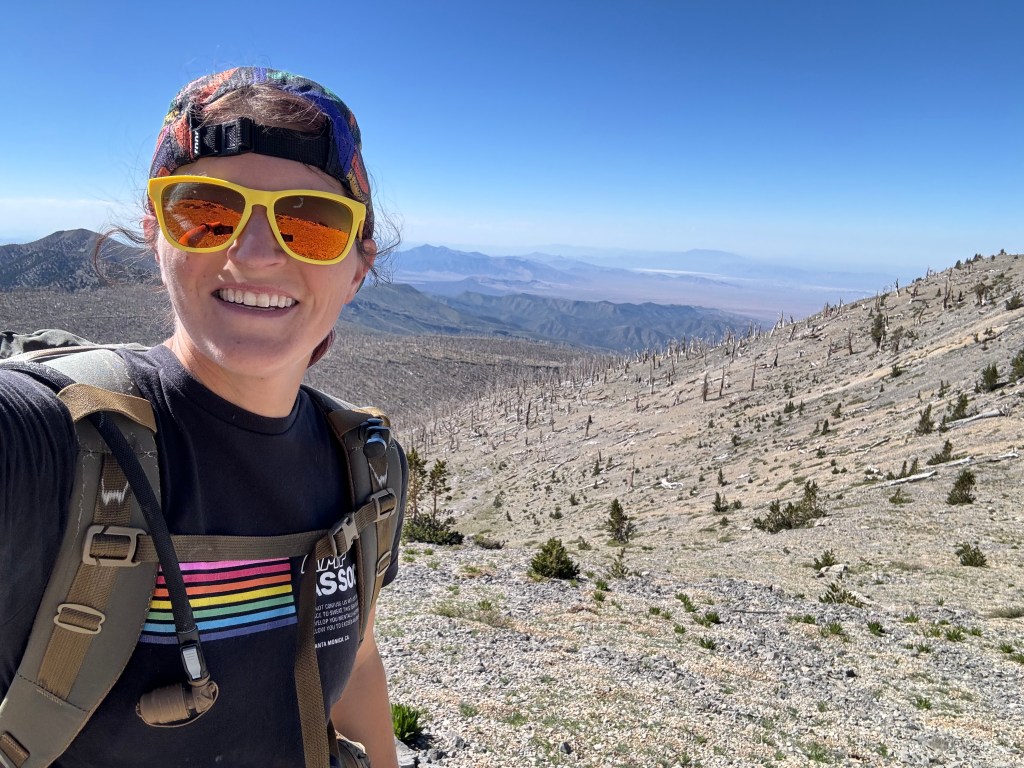
We stepped off at 0630. I started with a light jog on the short stretch of flat pavement and trail and then eased into a power hike. It wasn’t even 10 minutes in; I felt awful. Every negative thought that could come to mind did. My legs were not waking up. Everything hurt. These feelings were heavy for the first 2-3 miles. I genuinely weighed my options of stopping and turning around versus continuing. I did not feel that I would be able to climb this mountain.
Despite my state, I begrudgingly carried on and didn’t allow my emotions to make any decisions. There was not one bit of the first four miles that I enjoyed. I was stopping constantly to catch my breath and gather myself. After the initial four-mile climb, you are still climbing over the next three miles, but this section is more manageable with some flat and rolling sections. I felt fractionally better and moved slightly more efficiently through this next section.
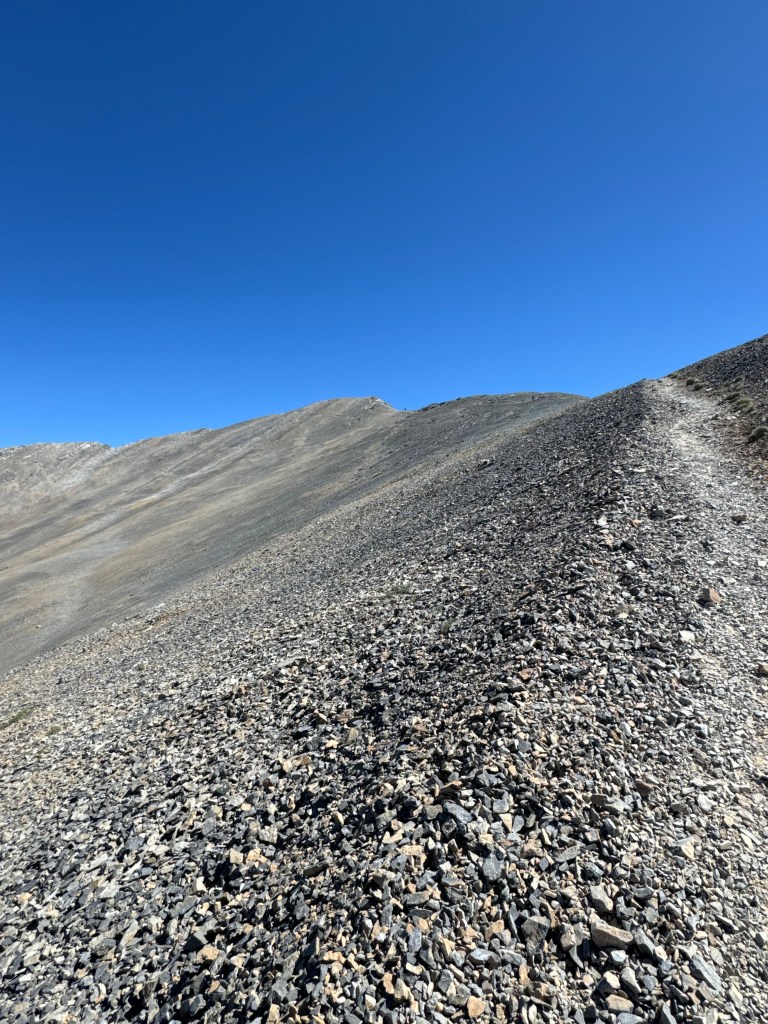
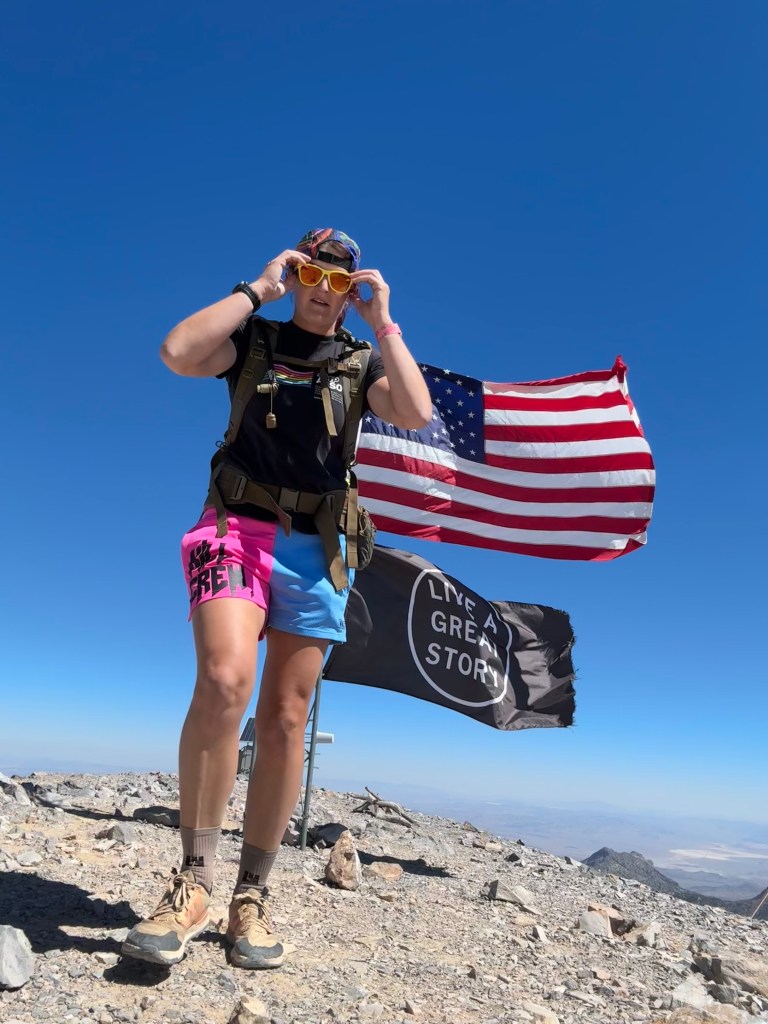
Then I saw it, the climb to the summit. There was less than a mile left of distance to get there. This 3/4 of a mile may as well have been ten. It was hot, exposed, and unforgiving. It took me about 33 minutes and all of my willpower to continue moving and reach the summit. When I did, relief, joy, and solace rushed over me when I saw the flag waving at the top with “Live a Great Story” written across it. I even teared up a bit. This hike was a mental challenge as much as it was physical.
I quickly snapped a few photos and turned around to make my way back down. I crossed paths with Liz (who was in front of me at some point but ended up off-route), Clint, and the rest of the racers. You could see the same struggle in their eyes; I reassured them that it was a pretty good summit.
I moved swiftly on the flat and downhill sections. I then arrived at the split to Griffith Peak. This climb was a bitch. It was steep and only at most a half mile, but don’t let that short distance fool you. It reminded me of the 3rd summit of Operation DARK HORSE. I was up in about 15 minutes, quick a single photo, and was about to head off. Someone kindly asked, “Do you want me to take a photo of you?” I responded, “No, I want to get the fuck off this mountain.” I smiled and proceeded to run off.
An out-and-back route sets you up for a more successful descent. I had already seen the terrain and generally knew I could move fairly well over it. I held under a 16:00 pace the entire descent. The ground was rocky but not too technical. Maybe I could have moved faster, but this pace would get me in under the dog tag time; I didn’t believe I was in a position to catch Shane, who was in the lead. I finished in 6 hours and 36 minutes.
Personal Reflection
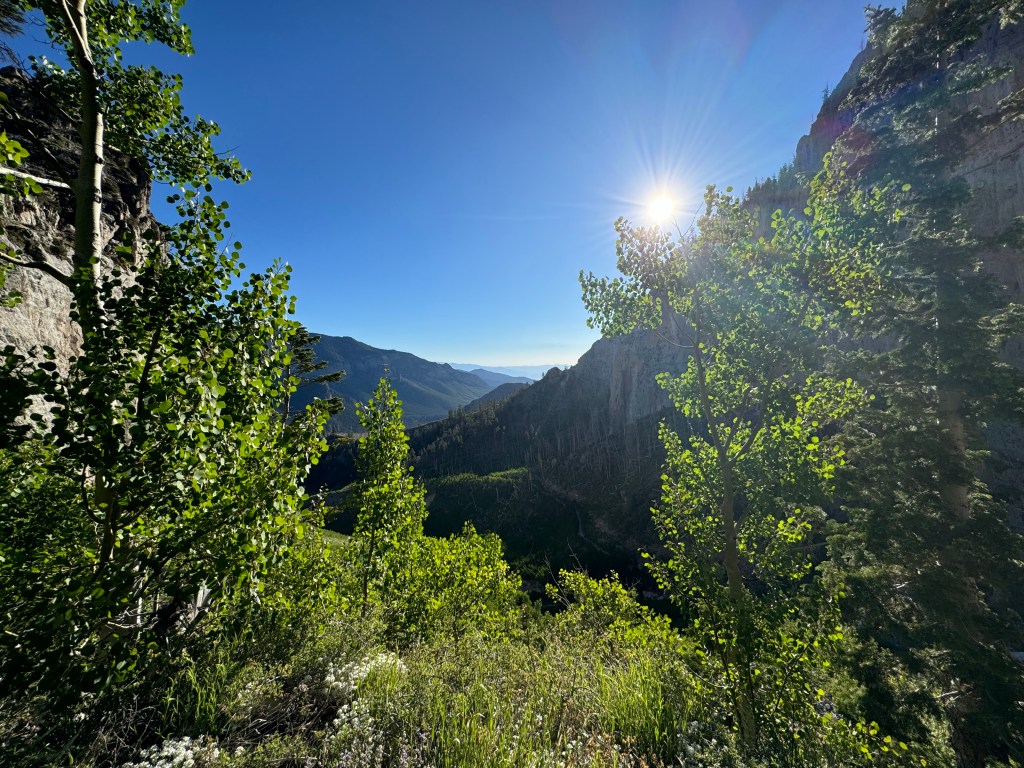
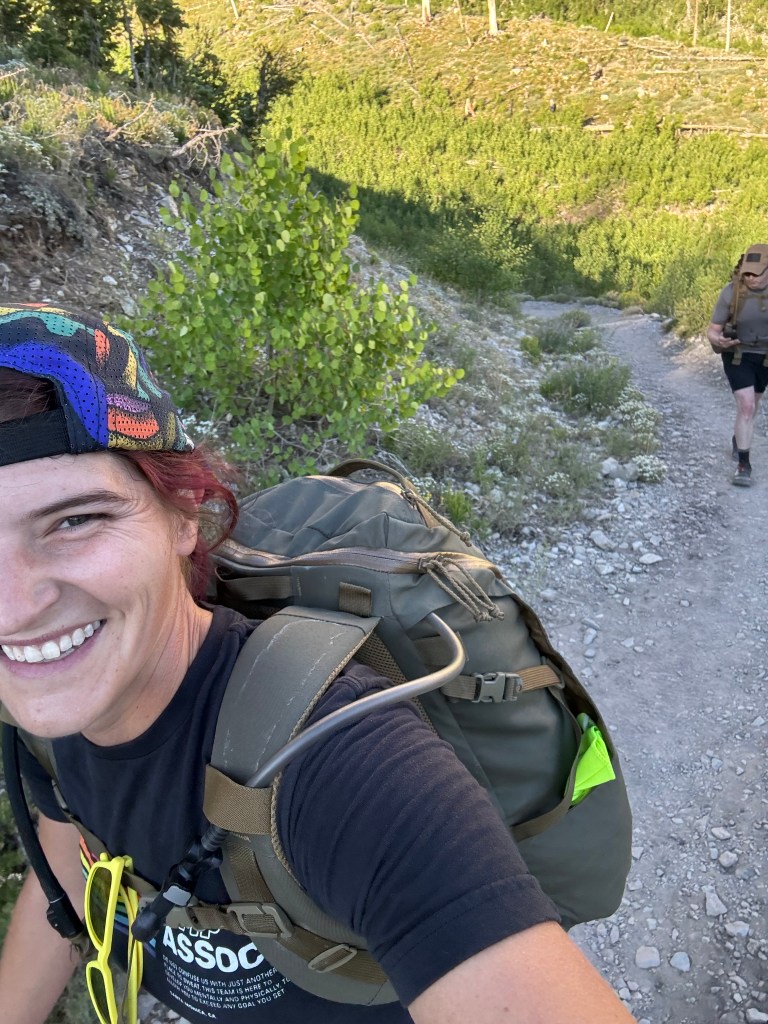
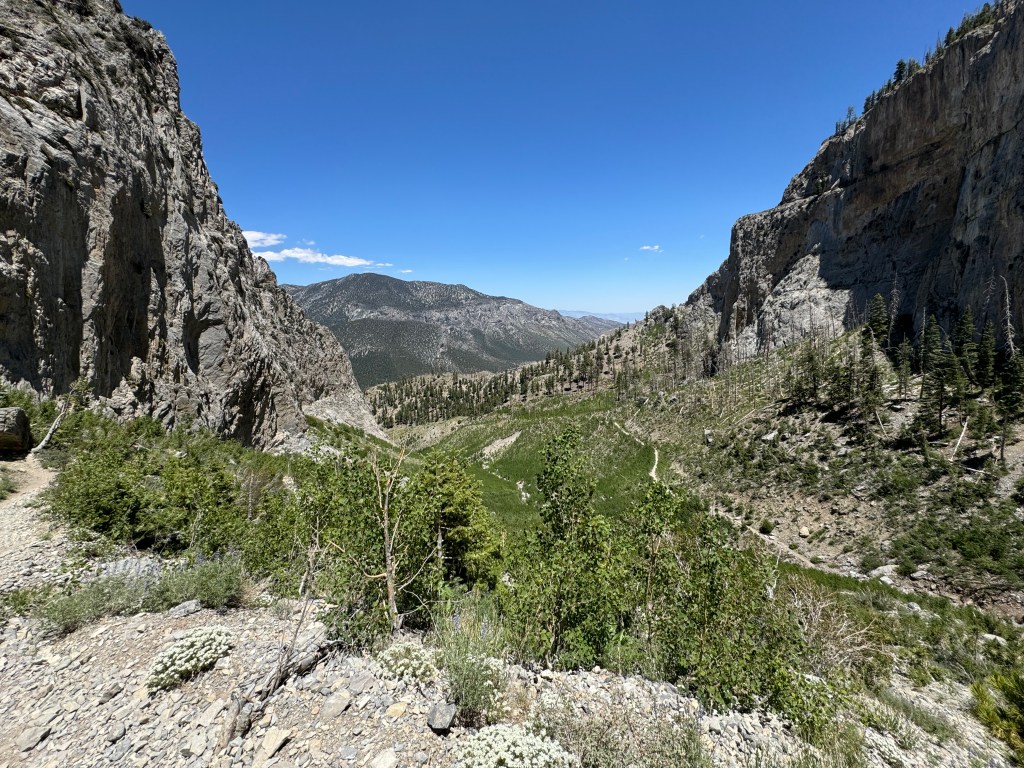
“Respond not react: Pause. Process. Plan. Proceed.” – Brad Stulberg
It would have been easy to give into how awful I felt for the first two hours of this race. If I chose to react to my emotions I simply would have turned around. The momentary pain would vanish and the discomfort would end. I would have had to live with the choice that I decided in a moment of time to give up when nothing was really wrong.
It’s in these moments that we grow. When we make decisions solely based on how we feel, we are just reacting. Instead of turning around and going back, I took a few minutes. I looked deep and processed that I was just feeling shitty and nothing was wrong; there wasn’t anything more to it. I planned to keep moving and take breaks as I needed. I carried on and followed that plan. I decided to take the more challenging path; it paid off. I can now look back on this race as a growth point. No one ever says that growing pains are easy.
Lessons
- Take a deep breath. When emotions are running high, take a minute to gather yourself and clear your head.
- Self-distancing. Take a step back from the situation and advise yourself as if you were advising a friend. We often give better advice to others than ourselves.
- Habits are compounding. Habits, whether they are good or bad, compound. If we get into the habit of quitting when things are hard, we’ll continue to do just that. When we continually keep pushing forward, that becomes our habit.
Final Thoughts
Looking back, Operation VEGAS was one of the toughest mental battles I’ve faced. I never have been in a position where I felt like I really wanted to just stop and quit. Let alone come to what felt like extremely close to throwing in the towel. I wouldn’t change anything about it. These are the types of training days and races that will set me up for future success. Don’t let the hard days win. Live a great story.
Until the Next. ☀️🎰🌵
Ready to sign up for your next challenge? Use GBF-SAM for 15% off.
 Ruck with Sam - Home
Leave a comment