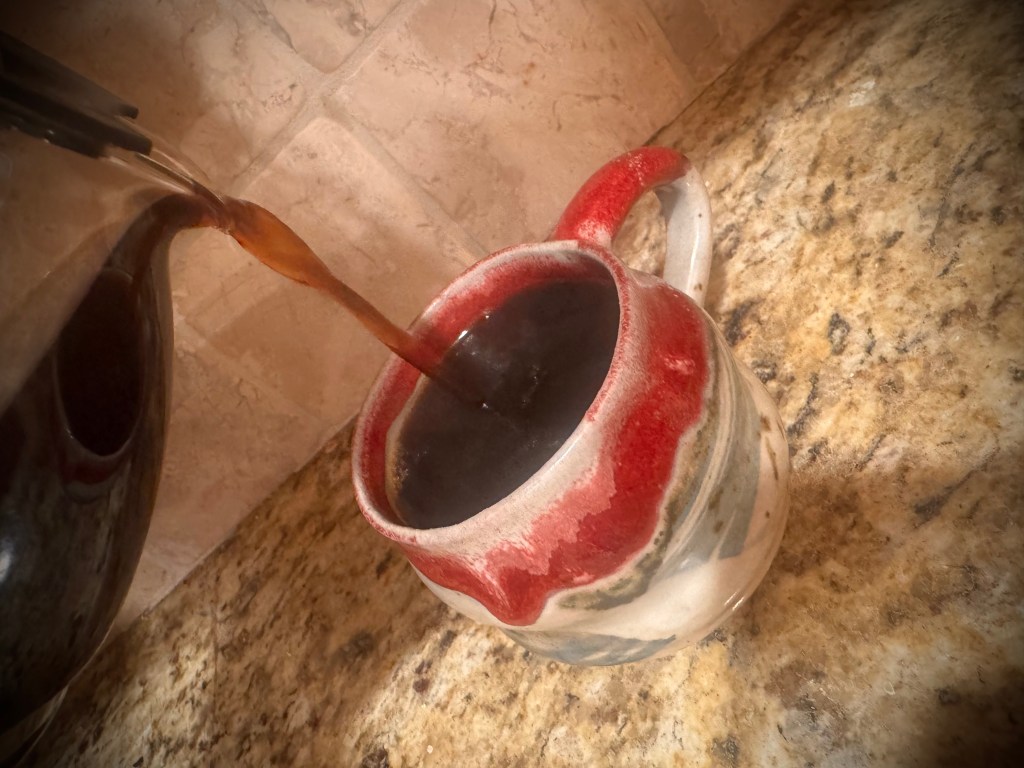
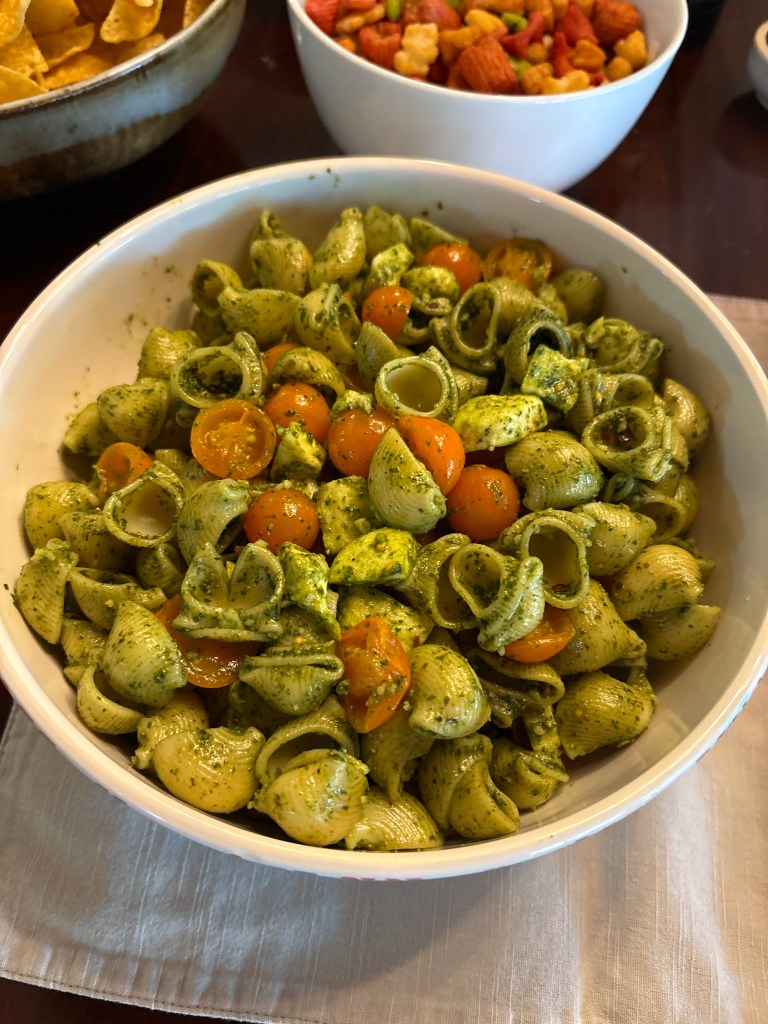
“It can’t already be time to get up,” I thought as my silent alarm vibrated on my wrist. Only sleeping five hours was my own fault. I consciously chose to stay and continue a conversation amongst friends. The aroma of a homemade pizza pie and pesto lasagna filled the room, making it even easier to stay.
But the truth was, I was captivated. My friend Suzanne had started describing the process of creating her pottery. Every answer led to another question, and Suzanne handed us another mug or bowl. And it wasn’t to show off, but to share her process, to talk about how her work had evolved, and expose the effort and care she put into something, often so small, and frequently unnoticed when going through the motions of a social gathering.
Watching Suzanne, I realized how rare it is to see someone so immersed in a hobby. I told her that I loved that she had something that she cares about and puts her heart into. She made me think about why we lose the things that make us stand out as we grow older. And why the fear of failure often stops us before we even start, when creating and expressing ourselves is essential.
Sure, not everyone is artistically creative, so maybe pottery, writing, or painting isn’t the path. Like pottery, martial arts or playing an instrument, begin with the basics. As you learn more, you create more space to play. Even assembling an IKEA table may give us the feeling of “I made this,” opening the door to other forms of creation. Following a cookbook or running plan can transform practice or exercise into family recipes and adventures as you gain confidence over time.
I also love that she started a pottery class and became obsessed with it. So obsessed that she quickly became very skilled and was invited to teach mid-semester. She admitted that this wasn’t something everyone understood. Her skill wasn’t luck; it took countless hours of throwing, glazing, studying, and even just thinking about pottery. Obsessing.
Watching Suzanne, I realized how playfulness can transform an ordinary dinner party into a timeless moment.
Play: Slowing Down Time
Why do we stop playing as we get older? Why are we so afraid to get lost, to explore, to try something new? When did we cage our inner child? Michael Easter talks about the idea that as we get older, time feels as if it speeds up. We are in the monotony of our day-to-day. Many days are the same; they blur, and we work for the weekends. Weekends come and go, and we don’t have much to talk about. Nothing is new anymore. We don’t allow ourselves to be exposed. To fail. And to succeed somewhere new.
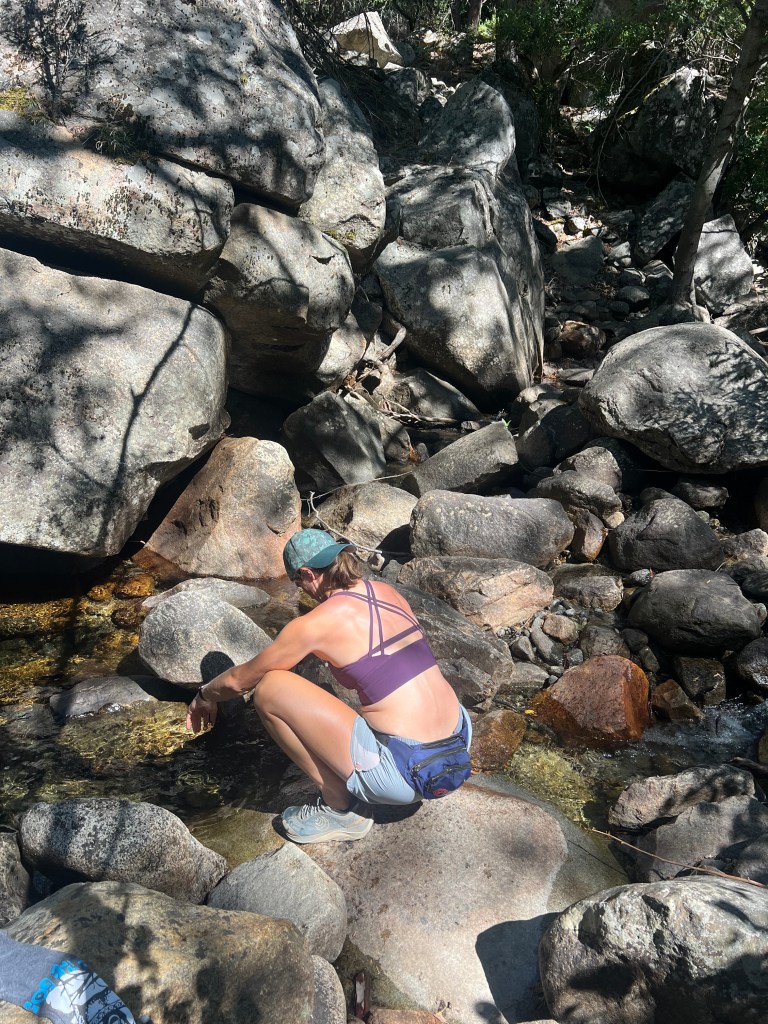
When we try new things, we create a playground, and immersing ourselves in it, we “slow down time.” But, slowing down is just the beginning. Actual growth comes from the ongoing climb, not the summit.
Learning to Love the Process
Psychologists have a term, the Arrival Fallacy, which is a belief that reaching the next goal will finally make us happy. Yet, this happiness is fleeting unless we learn to love the process itself. Suzanne didn’t sit down at the wheel to teach or sell bowls. She sat down to play with clay, which allowed for growth.
For the potter, this may be smashing your mug after you finish it. The hours of hard work and dedication shatter on the ground. Is that a little dramatic? Maybe. But it illustrates the point. Sometimes things go wrong. You can spend months or years training for a big race or competition, and you get food poisoning the night before. Or your flight gets cancelled. Or, you’re just not feeling it that day. We can only control so many things. If we’re so attached to the goal, the outcome, that shiny thing at the end of the tunnel, we’ll never be truly happy.
As Robert M. Pirsig puts it, “To live only for some future goal is shallow. It’s the sides of the mountain which sustain life, not the top. Here’s where things grow.” A goal may give us an initial map to start, but we have to live for the sides of the mountain as much as we glorify the top. Suzanne pursued pottery for the joy it brought her, not with the intention of landing a teaching job. Her success stems from her love of learning, practicing, and exploring.
Even if we do love the process, it only has meaning if the pursuit is our own. Otherwise, success becomes meaningless.
You Have to Do it For You
You can’t do something that “you love” for someone else. To play and grow, our passions need to stem from our own foundation and roots. If we’re doing something to impress or fit the mold of someone’s idea of ourselves, even success won’t feel like our own.
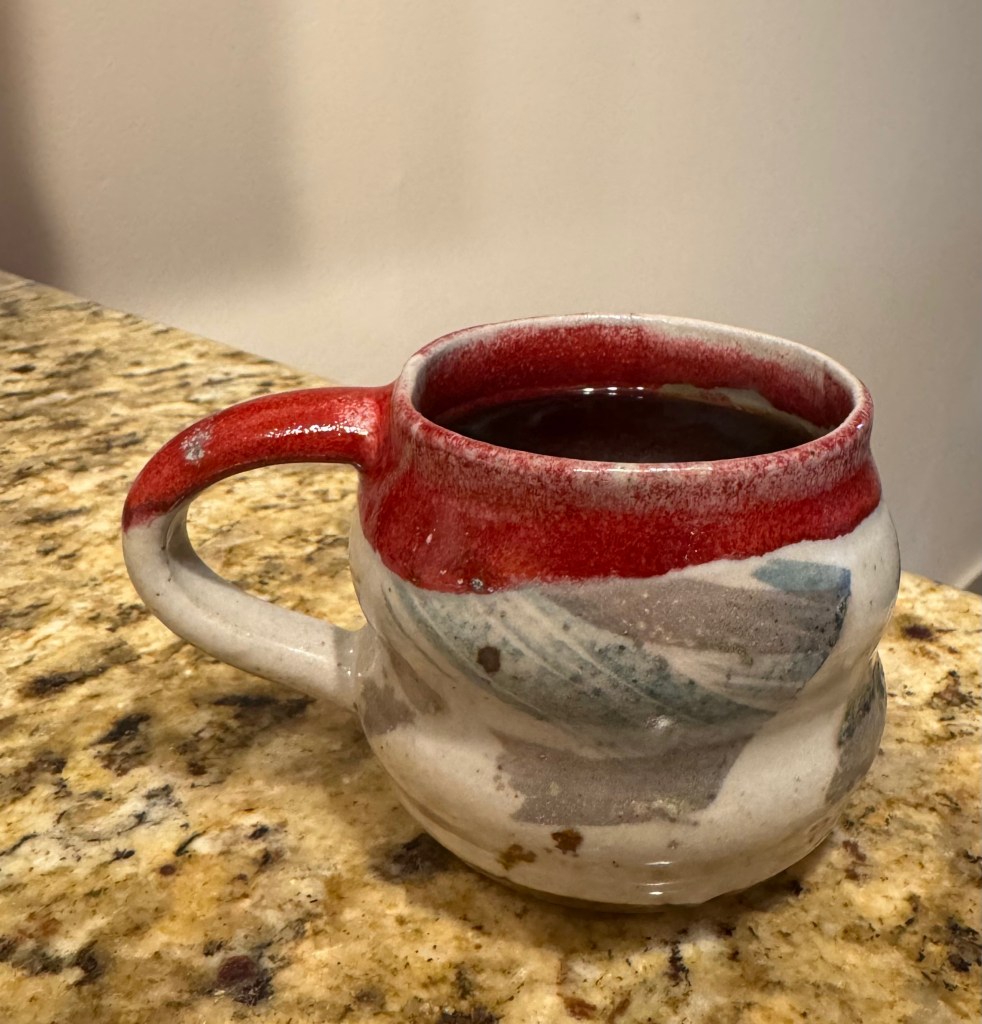
Suzanne, though very excited to share her work with her friends, didn’t do this to show off. It was because she was proud of her work. It wasn’t necessarily about the end product; each piece had a story about how she changed something from the last and what she learned while creating it. You could feel how much she cared about each piece. Initially, she used a pre-made glaze before creating her own recipe. And now her clear glaze appears blue on certain materials. She poured herself into each piece, not because of who saw it, but because she wanted to create.
Shaping our Mug
These lessons of slowing down, learning to love the process, and doing it for yourself apply to everyone willing to explore what excites them. So, I ask you, what is it that you’re obsessed with? What can you shamelessly talk about for hours? What is it that lights you up? If you don’t have something, go start exploring. You don’t have to stick with the same thing or one thing forever, but start somewhere.
Just as Suzanne turned a casual dinner into a timeless memory, when you let your inner child take the wheel, even an ordinary moment can become extraordinary.

 Ruck with Sam - Home
Leave a comment